
— And why the "designers must become builders" narrative needs a second look
The question sounds provocative. It's meant to be.
But after sitting through enough keynotes, reading enough LinkedIn hot takes, and watching the GenAI wave reshape every design conversation — I've come to believe we're asking the wrong thing entirely.
The design process isn't dead. It's been inverted.
The Flip Nobody Warned Us About
There's a shift happening that's quiet but fundamental.
Old way: Iterate → Build → Ship
New way: Build → Ship → Iterate
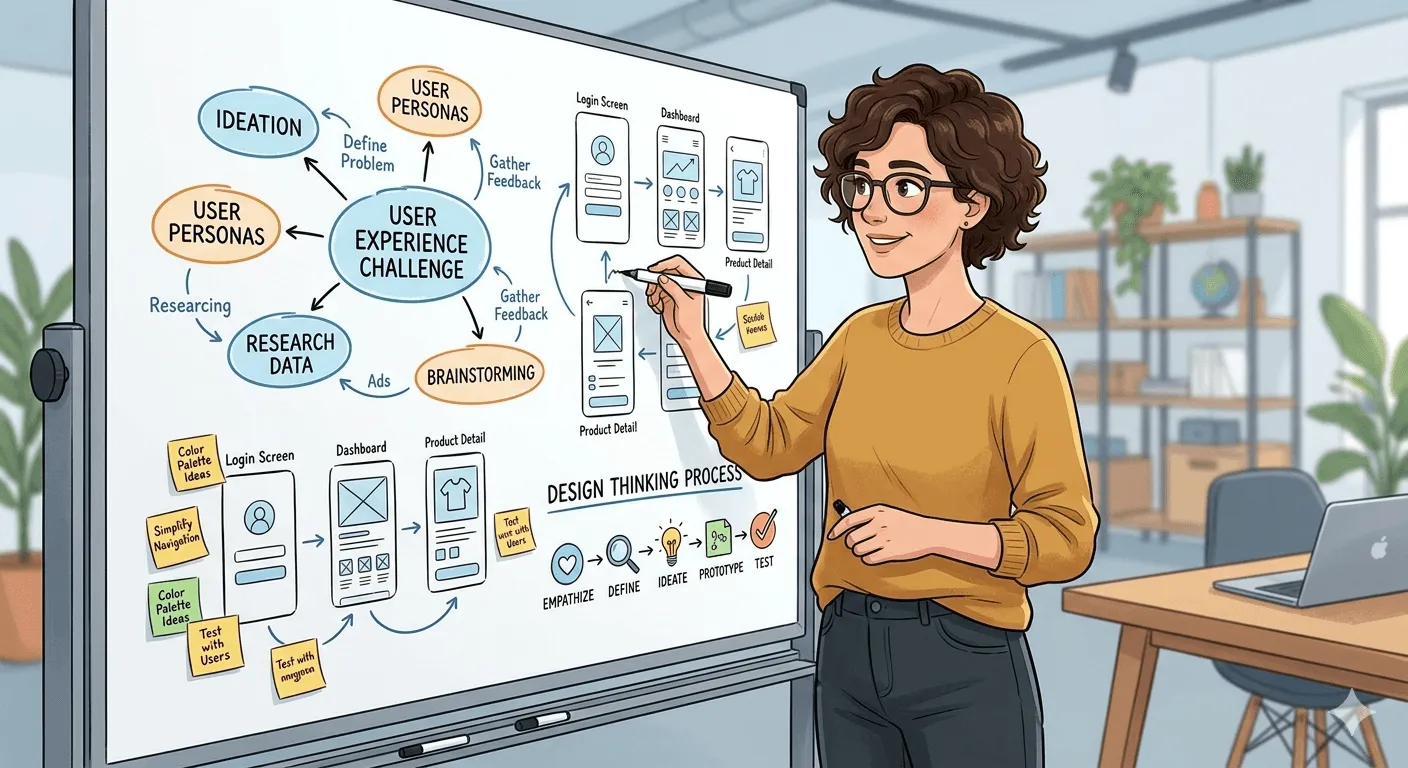
For decades, design lived upstream. You researched, you wireframed, you prototyped, you handed off using the popular frameworks/templates such as double diamond framework.
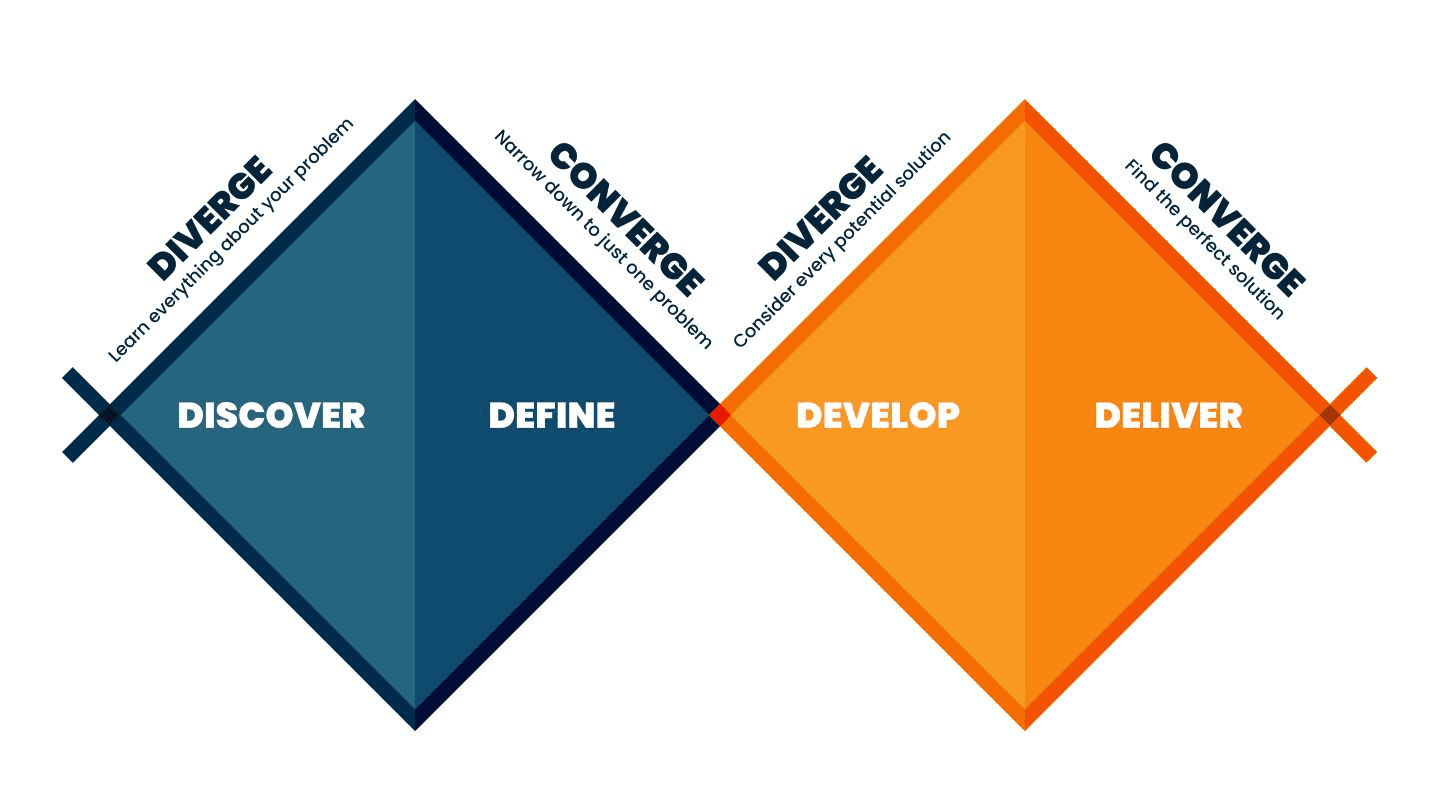
The process was linear, deliberate, and even protected by stages.
That protection is dissolving.
During my mentoring sessions on ADPList, I noticed something telling — most Behance portfolios being shared by mentees still lead with stereotype templates like double diamond. Same framework, same flow, same thesis. I suspect most design institutes are still teaching it on a loop.
Such pre-defined templates are on their way out.
Recent Razopay showcase
At a recent Razorpay showcase, a team demonstrated running a full design pipeline inside Claude Code — from discovery to a live pull request, with real data, zero hand-offs. Three tracks on display: Ship to Production. Automate Design Work. Build Skills to Accelerate.
The message was visceral: the designer who only delivers Figma files might be obsolete…
…But here's where I'd pump the brakes.
The Part of the Narrative I Don't Buy…
There's a version of this story being told that goes:
"Designers must become builders to survive."
And I disagree — not because it's wrong about the future, but because it's incomplete about what's actually being replaced.
If designers must code to stay relevant, then developers become the next casualty as AI writes better code than both. That's not a design renaissance — it's everyone squeezing into a smaller lane.
The real issue isn't that designers are being replaced. It's that the role definition made designers dependent — on developers to build, on PMs to prioritise, on engineers to ship. The learned helplessness of "that's not my job."
Designers don't need to become coders.
They need to stop being dependent.
So What Is the New Craft?
The Razorpay showcase introduced a term worth sitting with: The Design Builder.
Someone who owns the experience end-to-end. Not just the Figma file.
But ownership doesn't require writing production code. It requires:
→ Understanding what's technically possible well enough to make bold decisions
→ Speaking the language of systems, not just screens
→ Staying in the room when things are built, not just when things are designed
→ Caring about outcomes, not just outputs
Wearing a designer's hat today means going beyond experience mapping — extending into systems thinking and, increasingly, owning the full CX Blueprint.
And this article elaborate well on this : Screens Aren't the Answer. Experience Architecture Is
Linkedin Excerpt worth reading
“Roles are merging. The designer, the PM, the engineer, the strategist, all trespassing into each other's territory because AI tools make it cheap to cross boundaries that used to cost time and headcount.”
- Navneet Nair, Site Lead UX Target
One of the most striking moments from the showcase was: Claude Code can be taught your team's way of working. There's Custom skills. Your stack. Your rules. Your repo.
So yes, AI doesn't just generate — it generates in context.
But that context? That's still human's job to define. And right now, the best designers are the ones defining it.
The Real Question for Students Walking Into Interviews
If you're a young designer preparing to enter this industry, here's what the "Design Process is Dead" debate is really testing:
Do you have a point of view — or do you just have an opinion?
Anyone can say "AI is changing everything." That's noise.
Now - here’s what who will lead…
The designers who will lead the next decade are the ones who can say: "Here's what I think is actually changing, here's what I think is being misread, and here's how I'm positioning myself accordingly."
That's what the Razorpay showcase actually showcased — not that designers must code, but that the clearest thinkers are already ahead.
Three Things Worth Carrying Forward
1. The process isn't dead — the hand-off is. What's being disrupted isn't design thinking. It's the artificial walls between design, engineering, and shipping.
2. The Ownership Angle - “Design Builder" is a mindset, not a job description. No one is asking you to become a developer. They're asking you to stop disappearing after the handoff. The file was never the finish line.
3. The most dangerous designer isn't the one who can't code. It's the one who can't think beyond the frame or figma canvas
The future belongs to designers who think clearly enough to own outcomes — not just those who can push pixels or pull requests.
P.S. — If your interview answer to "Is the design process dead?" starts with "Well, AI is changing everything..." — you've already lost the room. Start with your disagreement. Start with your nuance. That's what they're hiring for.